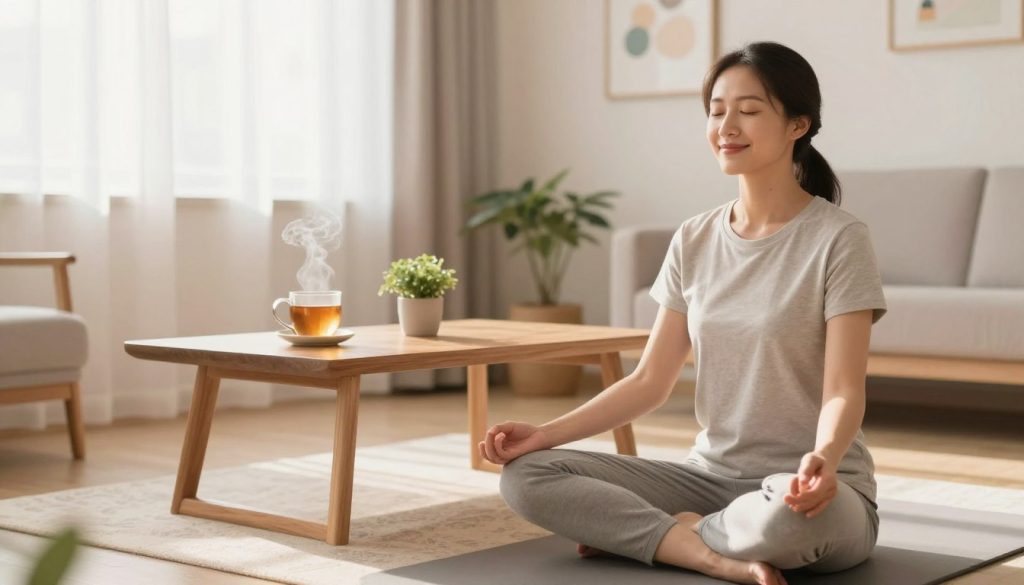
Are you tired of feeling overwhelmed by anxiety in the comfort of your own home? Anxiety can be debilitating, affecting not just your mental health but also your daily life and relationships.
Managing anxiety at home is crucial for overall well-being. Simple techniques can make a significant difference in how you feel. By incorporating these methods into your daily routine, you can start to feel more calm and in control.
Key Takeaways
- Simple techniques can help alleviate anxiety.
- Creating a peaceful environment is essential.
- Mindfulness practices can calm the mind.
- Regular exercise reduces anxiety symptoms.
- A healthy diet plays a role in anxiety management.
Understanding Anxiety and Its Impact on Daily Life
Understanding anxiety is crucial for managing its effects on our daily routines and overall well-being. Anxiety can manifest in various ways, affecting not just our mental health but also our physical environment and how we interact with it.
Common Symptoms of Anxiety
Anxiety can present itself through a range of symptoms, both physical and psychological. Common signs include persistent worry, restlessness, and an inability to concentrate. Physically, it can manifest as rapid heartbeat, sweating, and trembling.
Recognizing these symptoms is the first step towards managing anxiety. By acknowledging the signs, individuals can seek appropriate help and implement strategies to reduce their anxiety levels.
“The greatest wealth is health.” – Virgil
How Anxiety Affects Your Home Environment
Anxiety can significantly impact how we perceive and interact with our home environment. It can turn a place of comfort into a source of stress. For instance, cluttered spaces can exacerbate feelings of overwhelm, while a disorganized living area can hinder relaxation.
Creating a calming environment is essential for reducing anxiety. This can involve decluttering, organizing living spaces, and incorporating elements that promote relaxation, such as plants or soothing colors.
Recognizing Anxiety Triggers in Your Living Space
Identifying triggers within our living space is crucial for managing anxiety. Common triggers include clutter, noise, and certain colors or lighting. By recognizing these triggers, individuals can take steps to mitigate their impact.
| Trigger | Impact | Mitigation Strategy |
|---|---|---|
| Clutter | Increases feelings of overwhelm | Decluttering and organizing |
| Noise | Disrupts peace and relaxation | Using noise-cancelling headphones or white noise machines |
| Bright Lighting | Can cause eye strain and discomfort | Adjusting lighting to softer tones |
By understanding and addressing these triggers, individuals can create a more calming and supportive home environment, aiding in anxiety management and reducing stress at home.
Practical Ways to Reduce Anxiety at Home
Transforming your home into a serene oasis can be a powerful step in managing anxiety. By implementing a few simple changes, you can create an environment that promotes relaxation and reduces stress.
Creating a Calming Physical Environment
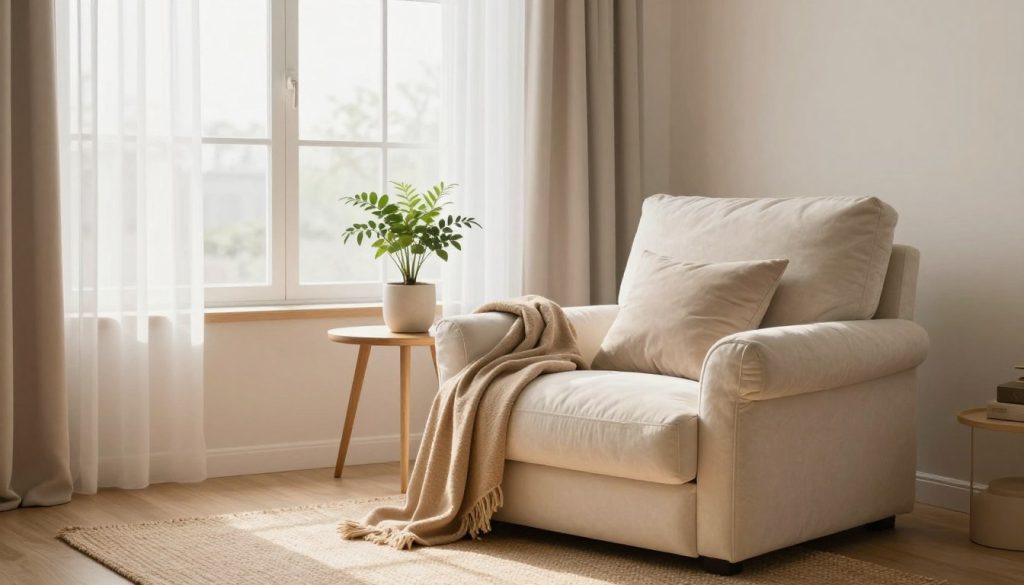
The physical space you inhabit can significantly impact your anxiety levels. To create a calming environment, consider the following adjustments:
- Declutter your living space to reduce visual stress.
- Use soothing colors on walls and in decor to promote relaxation.
- Incorporate plants known for their calming effects, such as lavender or snake plants.
Establishing Anxiety-Reducing Daily Routines
Establishing a daily routine can provide a sense of control and structure, helping to alleviate anxiety. Consider incorporating activities such as:
- Meditation or deep breathing exercises.
- Journaling to process thoughts and emotions.
- A consistent sleep schedule to improve rest quality.
| Routine | Benefits |
|---|---|
| Meditation | Reduces stress, improves focus |
| Journaling | Processes emotions, clarifies thoughts |
| Consistent Sleep | Improves rest quality, reduces fatigue |
Quick Techniques for Immediate Anxiety Relief
When anxiety strikes, having quick techniques at your disposal can be a lifesaver. Some effective methods include:
- Deep breathing exercises to calm the nervous system.
- Progressive muscle relaxation to release physical tension.
- Mindfulness meditation to ground yourself in the present moment.
Using Technology to Manage Anxiety
In today’s digital age, technology can be a valuable ally in managing anxiety. There are numerous apps and tools designed to provide support, such as:
- Meditation and mindfulness apps like Headspace or Calm.
- Mood-tracking apps to monitor your emotional state.
- Guided relaxation resources available online or through mobile apps.
By leveraging these practical strategies, you can effectively reduce anxiety at home and improve your overall well-being.
Mindfulness and Relaxation Techniques
Mindfulness and relaxation techniques offer a powerful toolkit for managing anxiety in daily life. By incorporating these practices into your daily routine, you can significantly reduce anxiety levels and improve your overall well-being.
Breathing Exercises for Anxiety Management
Breathing exercises are a simple yet effective way to calm the mind and body. One popular technique is the 4-7-8 breathing method, also known as the “Relaxation Breath.”
- Inhale through your nose for a count of 4.
- Hold your breath for a count of 7.
- Exhale through your mouth for a count of 8.
This technique can help slow down your heart rate and promote relaxation.
Meditation Practices for Beginners
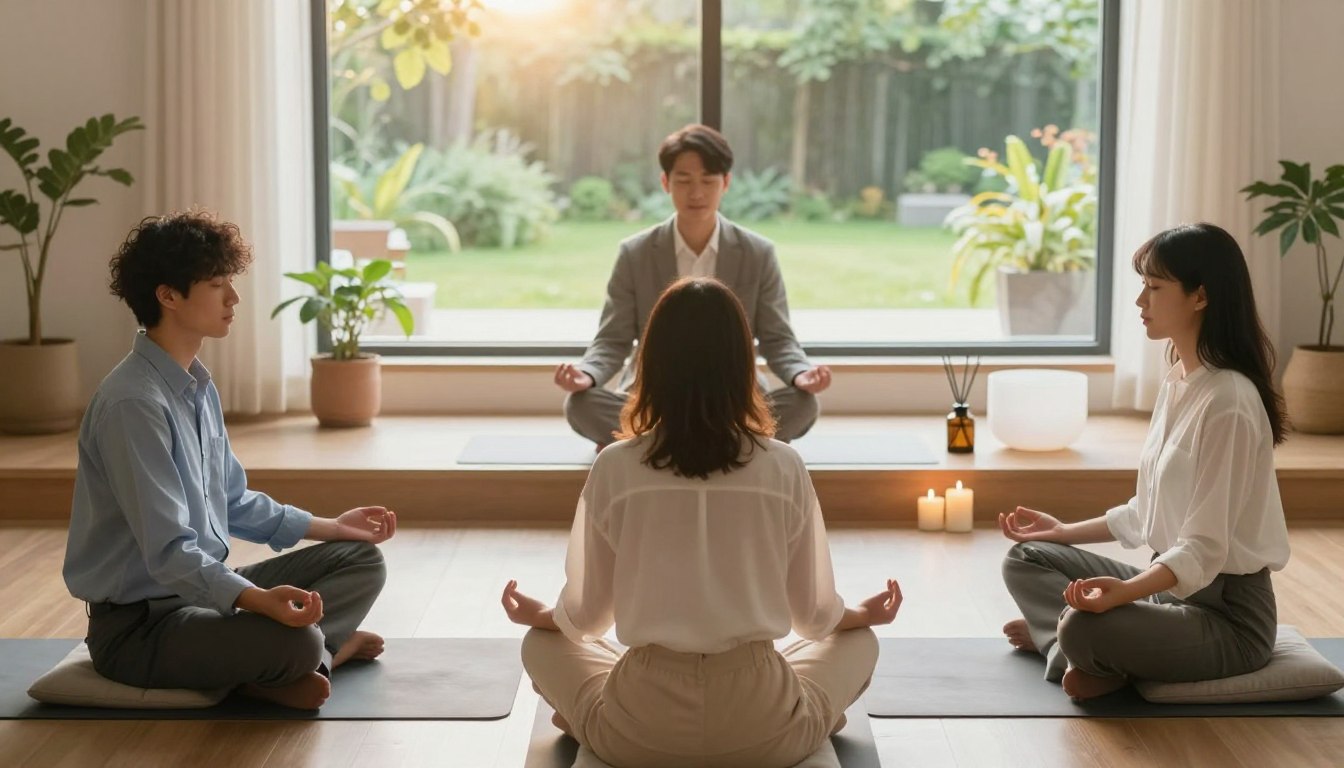
Meditation is a powerful tool for reducing anxiety. For beginners, starting with guided meditation can be helpful. There are many apps and online resources that offer guided sessions.
To begin, find a quiet space, sit comfortably, and focus on the guide’s voice. As you become more comfortable with meditation, you can gradually move to independent practice.
Progressive Muscle Relaxation
Progressive Muscle Relaxation (PMR) involves tensing and relaxing different muscle groups in your body. Start with your toes and work your way up to your head.
- Tense your muscles for 5-10 seconds.
- Release the tension and feel the relaxation spread through your muscles.
- Move up through the different muscle groups.
Grounding Techniques to Use During Panic Moments
Grounding techniques can help you stay present during moments of panic. One effective method is the 5-4-3-2-1 technique:
- Notice 5 things you can see.
- Acknowledge 4 things you can touch.
- Identify 3 things you can hear.
- Recognize 2 things you can smell.
- Take 1 deep breath.
This technique helps distract you from anxious thoughts and grounds you in the present moment.
Lifestyle Changes That Combat Anxiety
By incorporating specific lifestyle changes, individuals can better manage anxiety at home. These changes can have a significant impact on both physical and mental well-being.
Nutrition and Dietary Considerations
A well-balanced diet plays a crucial role in managing anxiety. Consuming foods rich in omega-3 fatty acids, such as salmon and walnuts, can help reduce anxiety symptoms. Additionally, incorporating complex carbohydrates like whole grains and vegetables can stabilize blood sugar levels, thereby reducing anxiety.
Nutritional Tips:
- Increase intake of fruits and vegetables
- Choose whole grains over processed foods
- Incorporate lean proteins like chicken and fish

Sleep Hygiene Improvements
Improving sleep hygiene is essential for managing anxiety. Establishing a consistent sleep schedule and creating a relaxing bedtime routine can significantly enhance sleep quality.
Tips for Better Sleep:
- Maintain a consistent sleep schedule
- Create a calming pre-sleep routine
- Avoid caffeine and electronics before bedtime
Physical Activity and Exercise Options
Regular physical activity is a natural anxiety reducer. Engaging in exercises like yoga, walking, or jogging can help alleviate anxiety symptoms by releasing endorphins.
| Exercise Type | Benefits |
|---|---|
| Yoga | Reduces stress, improves flexibility |
| Walking | Improves mood, boosts cardiovascular health |
| Jogging | Enhances endorphin release, improves mental clarity |
When to Consider Professional Support
While lifestyle changes can significantly reduce anxiety, there are times when professional support is necessary. If anxiety interferes with daily life, seeking help from a mental health professional is a crucial step.
Signs You Need Professional Help:
- Persistent feelings of anxiety
- Anxiety interferes with daily activities
- Presence of panic attacks
Conclusion
Reducing anxiety at home is achievable by implementing simple yet effective techniques. By creating a calming physical environment, establishing daily routines, and practicing mindfulness, you can significantly reduce stress at home.
Home remedies for anxiety, such as breathing exercises, meditation, and progressive muscle relaxation, can provide immediate relief during panic moments. Combining these techniques with lifestyle changes like improved nutrition, sleep hygiene, and physical activity can lead to long-term anxiety management.
By incorporating these strategies into your daily life, you can create a more peaceful living space and improve your overall well-being. Start with small steps, and be patient with yourself as you work towards a calmer, more balanced you.